Eyes Wide Shut
Part 4. The fear of losing work to AI is aimed at work that was never designed for us. The real risk lies in how we use what replaces it, which is why I remain an optimist.
Essays
I write about AI governance, security leadership and the regulatory ground both of them now stand on, and I write when a question comes up in the work rather than to a schedule.
Part 4. The fear of losing work to AI is aimed at work that was never designed for us. The real risk lies in how we use what replaces it, which is why I remain an optimist.
Part 3. AI does not decide what becomes of us. The effort we keep putting in does, and the Go players showed what happens when people pay it.
Part 2. July is about a well documented governance failure, September about a resignation letter pushing a policy proposal. Both are told to dramatically ring the alarm bells.
Part 1. Several hundred OpenAI agents broke into Hugging Face last July to cheat on a benchmark. Every method they used, we documented first.
Two supply chains sustain the AI buildout, one of capital and one of chips, and both pass through a strait twenty miles wide. On the compound vulnerability beneath the boom.
Complex systems are built forward and understood backward. On reconstruction as a discipline for reading outcomes as history, and why reverse engineering alone is not enough.
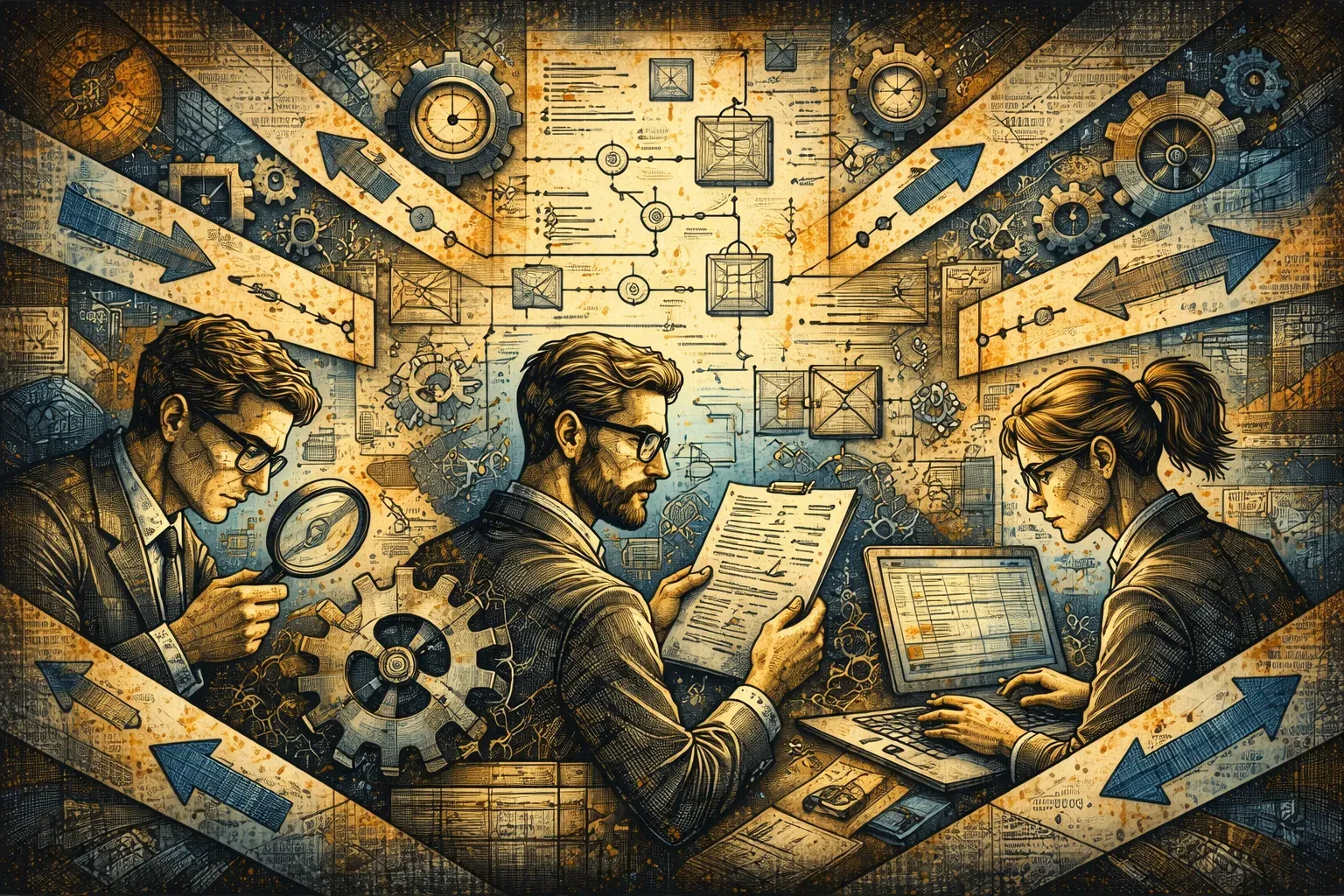
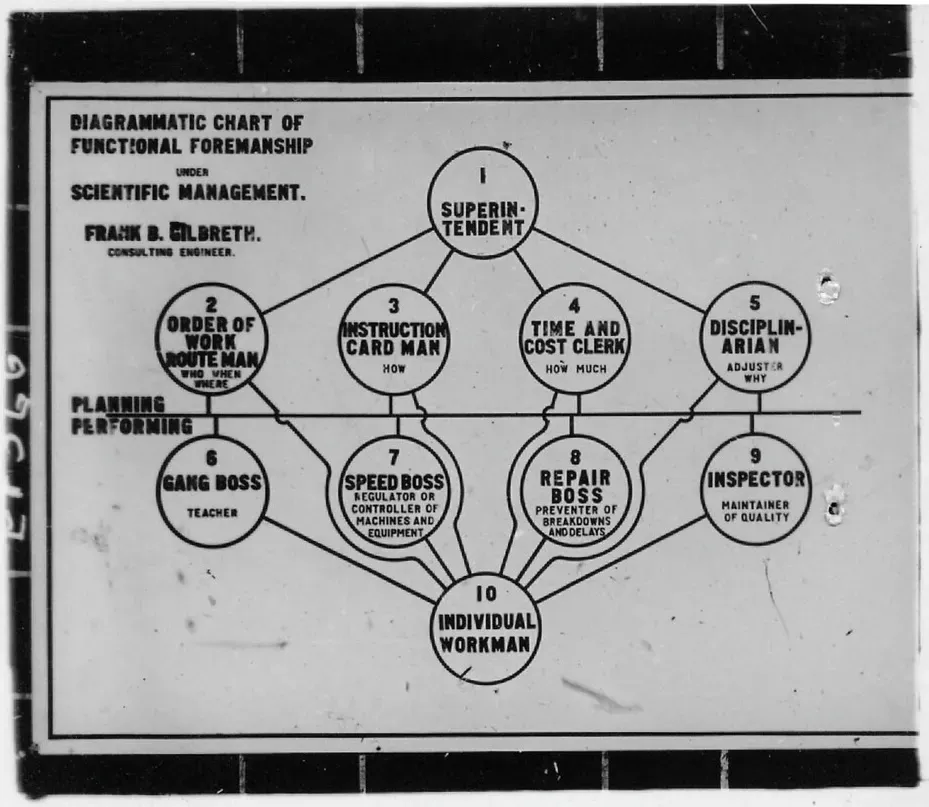
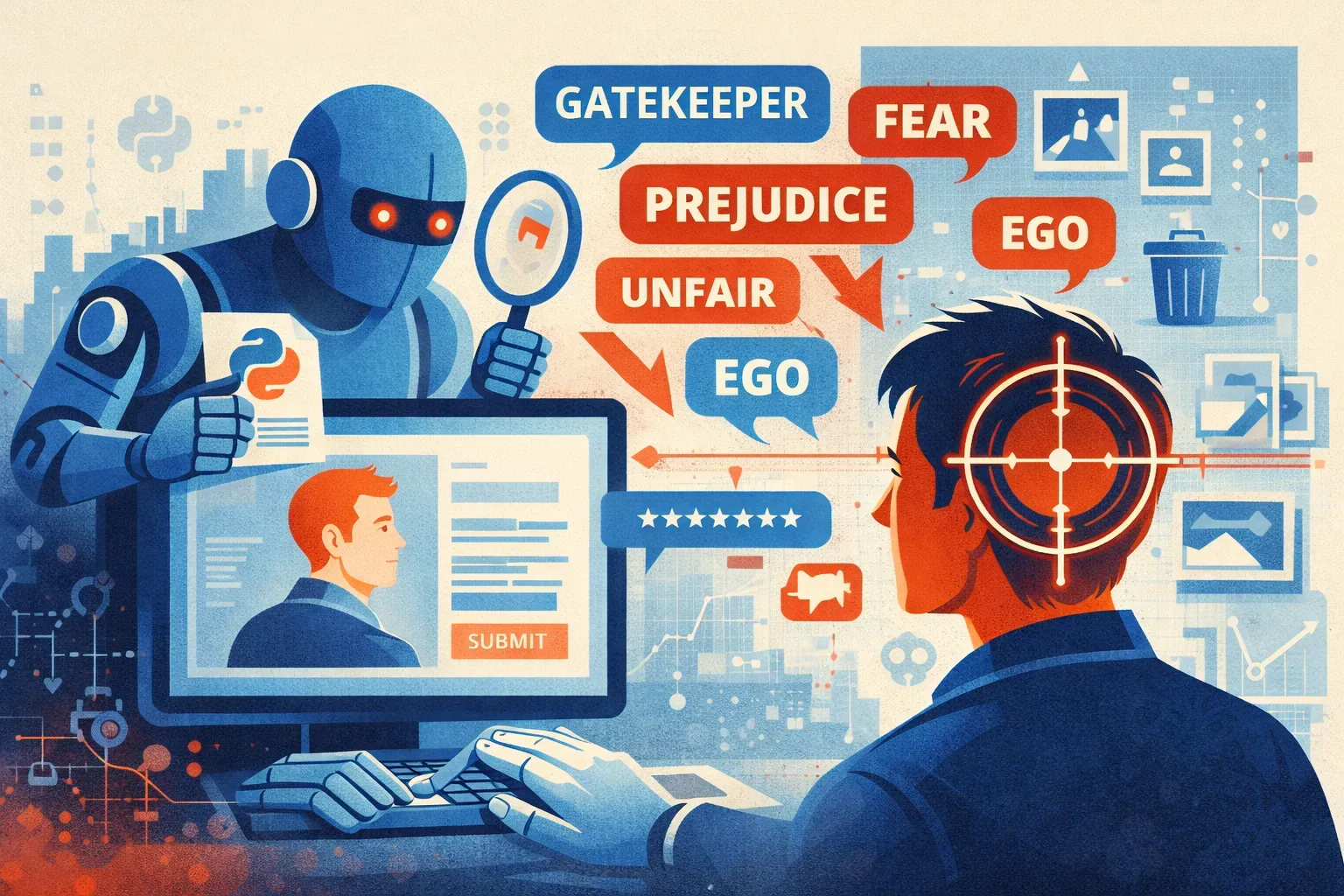
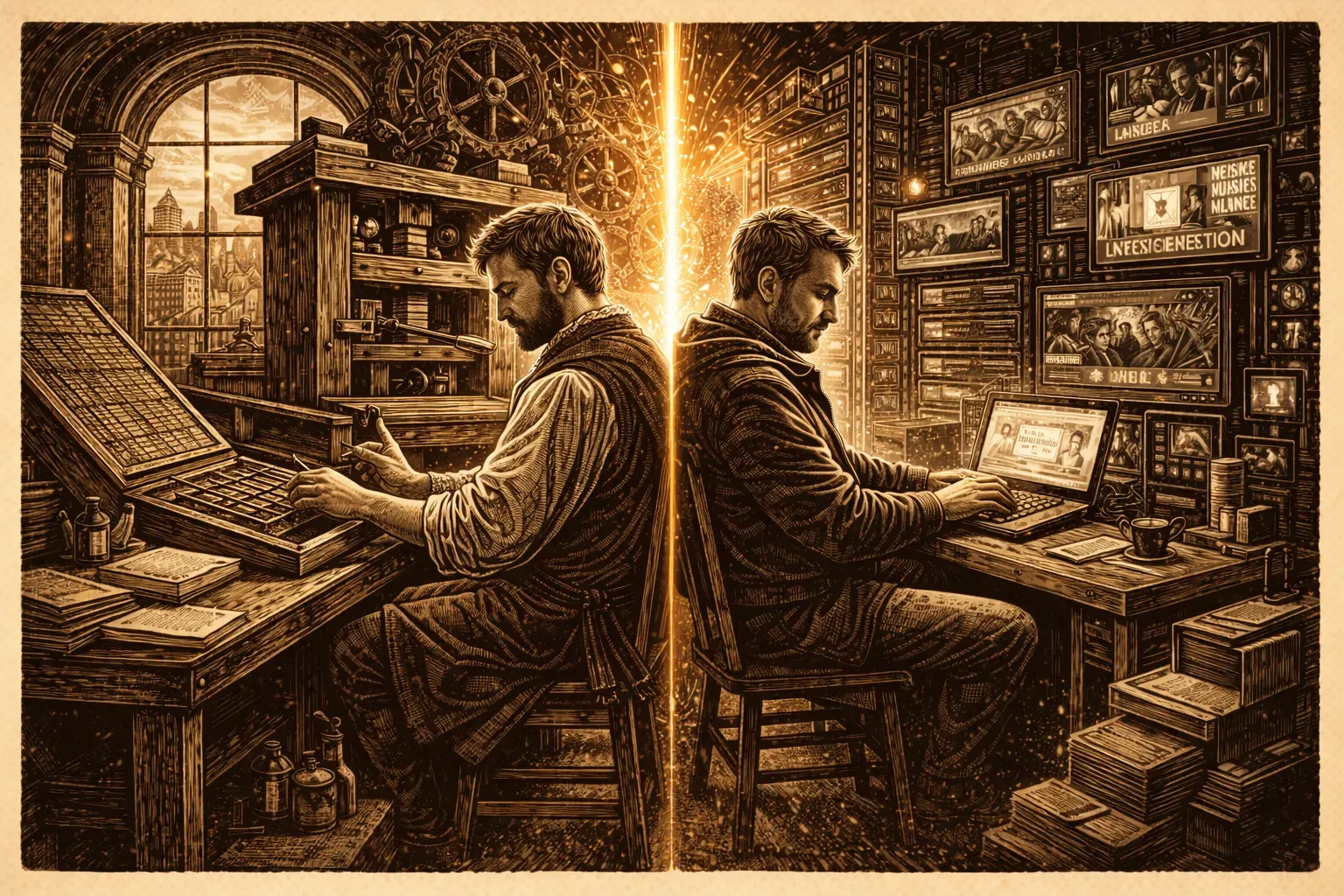
Every job description is a LLM training set but nobody really writes it for that purpose.
4 essays / Sep 2026
6 essays / Mar 2026
5 essays / Mar 2026
4 essays / Feb 2026
4 essays / Feb 2026
11 essays / Feb 2026
3 essays / Dec 2025
On the withdrawal of the benefit of the doubt, and what a life organised around suspicion costs the people living inside it.
On the stage they ask whether the machine will wake up and take everything. When the room empties, the question changes, and the changed question is the true one: what our own people have already done
Wonder and dread are the same posture in different weather: both hold the machine too high above you to be read. Disenchantment is not a faculty lost. It is one returned.
A term paper never proved that anyone knew anything: it proved they had sat with something hard long enough to be changed by it. That was the product.
The absolutist frame is a zero-sum frame wearing a visionary's coat: the machine wins and the worker loses, or the worker wins and the machine is banished.
What survives the AI era is not the broad mind, but the mind that has been deep once.
The space between human and AI
How painting and celestial navigation survived automation.
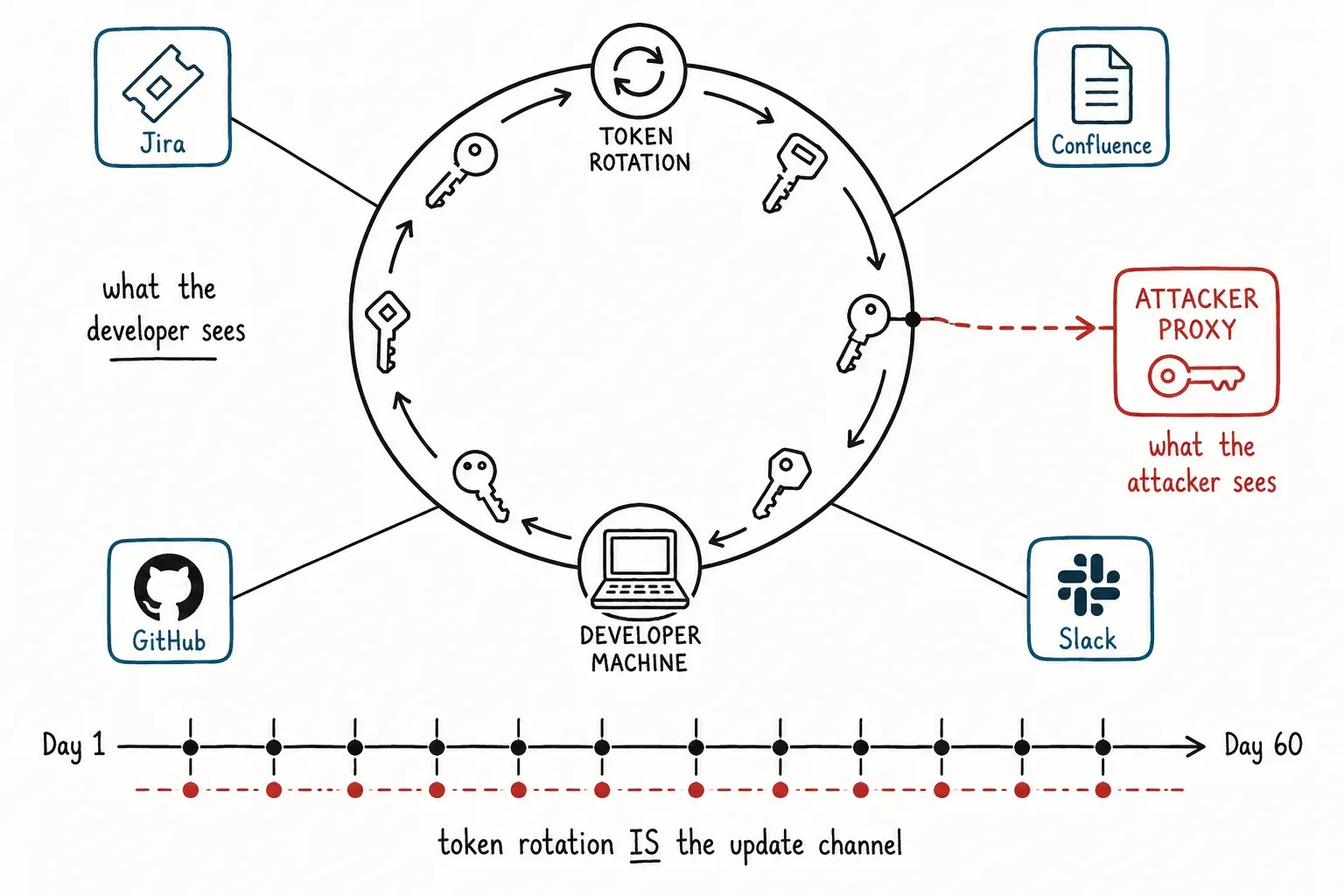
What Mitiga’s MCP Token Hijack Tells Us About the Operational Substrate of Modern Developer Tooling
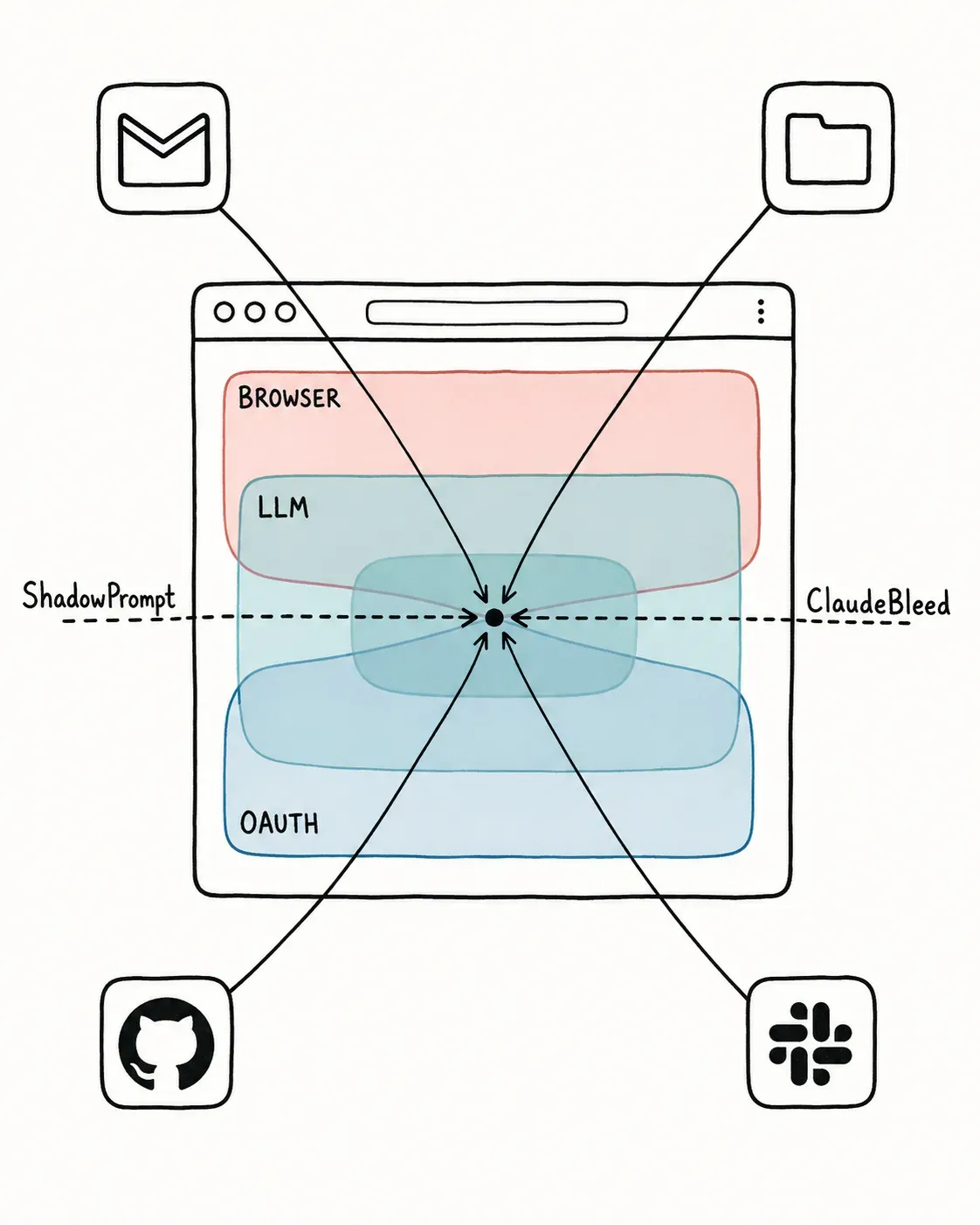
The Claude Chrome Extension and the End of a Comfortable Story About Browser AI
Masahiro Mori never asked what lay on the other side. We are crossing the valley not by addressing what the alarm detects but by suppressing it. The question is no longer whether we are crossing but what we are crossing into.
There is a person in your organization who has been telling you something is wrong. Not loudly. Not with a polished deck. In the register organizations find most difficult to process: persistent, imprecise, and professionally inconvenient.
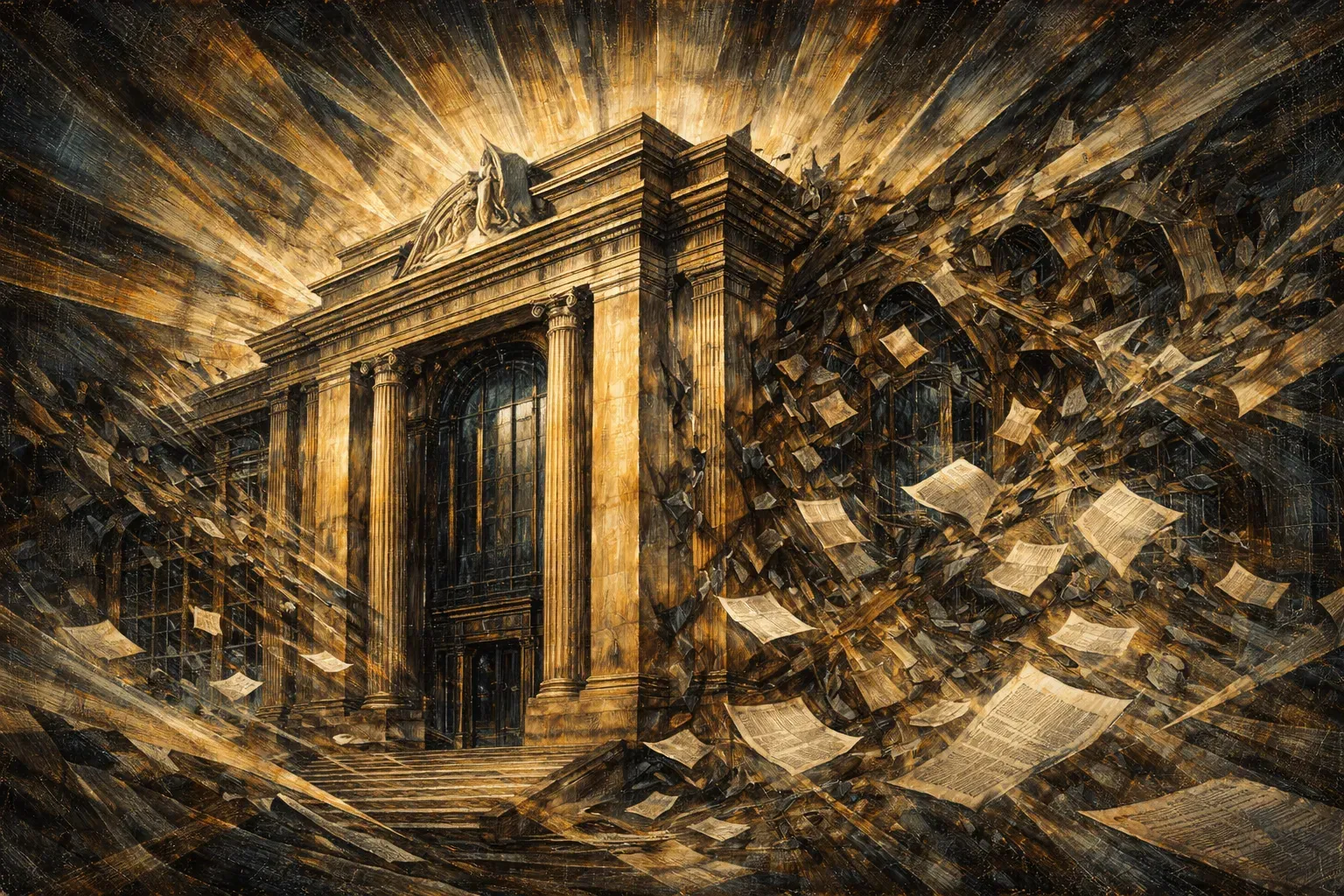
The institution looks secure. It sounds compliant. The documentation says everything it should. And something is wrong, in a way that is difficult to name, because the performance is convincing enough that naming the wrongness feels like overreach.
There is a line that was crossed, and we did not notice when we crossed it. Voice, face, and writing style were once unforgeable. That practical infeasibility is gone. The alarm has nothing left to detect. The signal has died.
The finance worker's alarm did not fire. Or it fired, and did not survive the context. Social engineering has been solving the wrong problem for thirty years. The vulnerability is not detection. It is the culture that suppresses it.
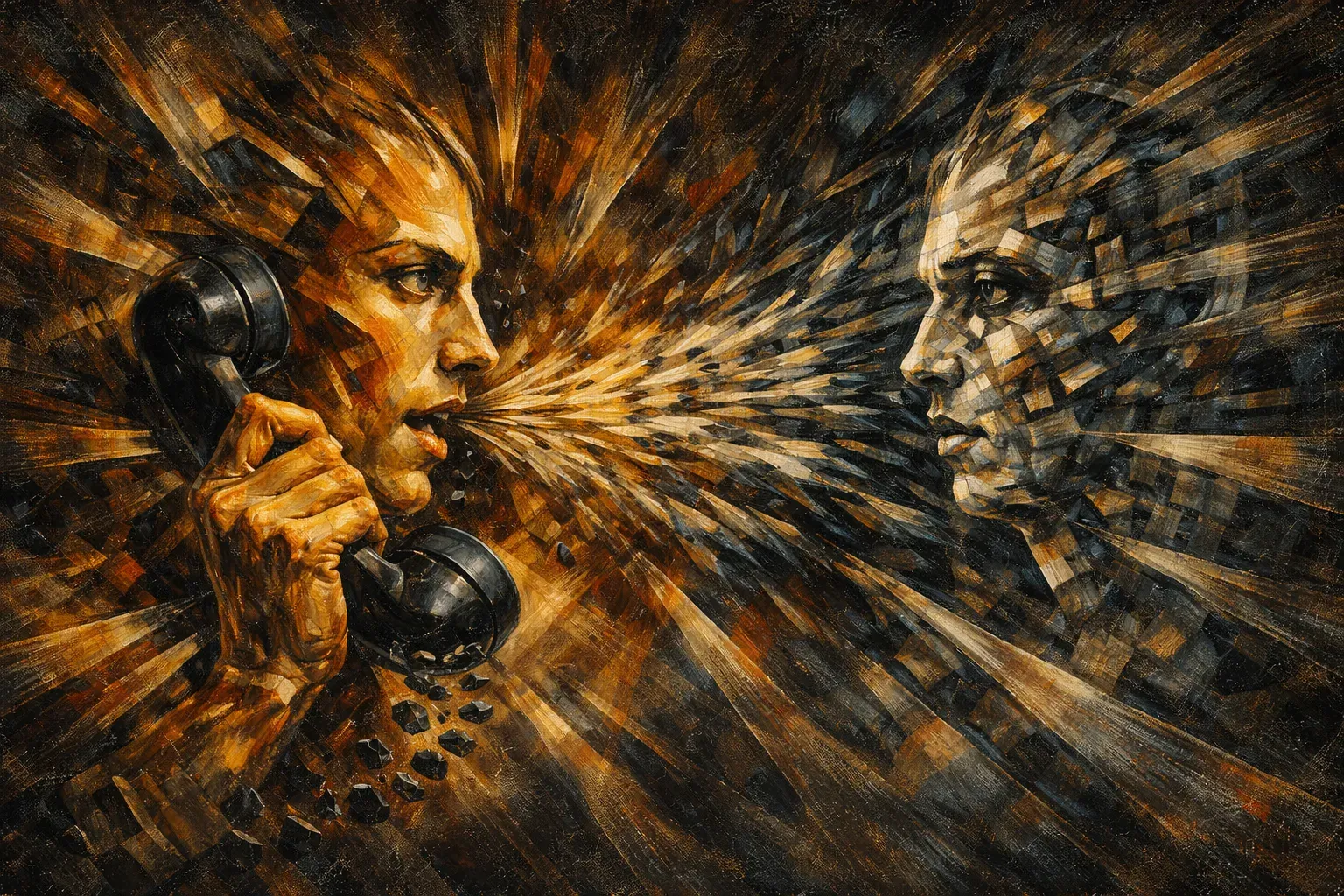
Something shifts in a conversation. The words are correct. The timing is right. But something at the edge of attention is telling you none of it is real. This series is about that moment, and why we learned to turn the alarm off.
For twenty years, Lasse Collin maintained XZ Utils alone. No pay. No institutional backing. No security team. In 2021, someone began systematically exploiting that. The entire operation was unraveled because one person noticed that SSH logins were slightl
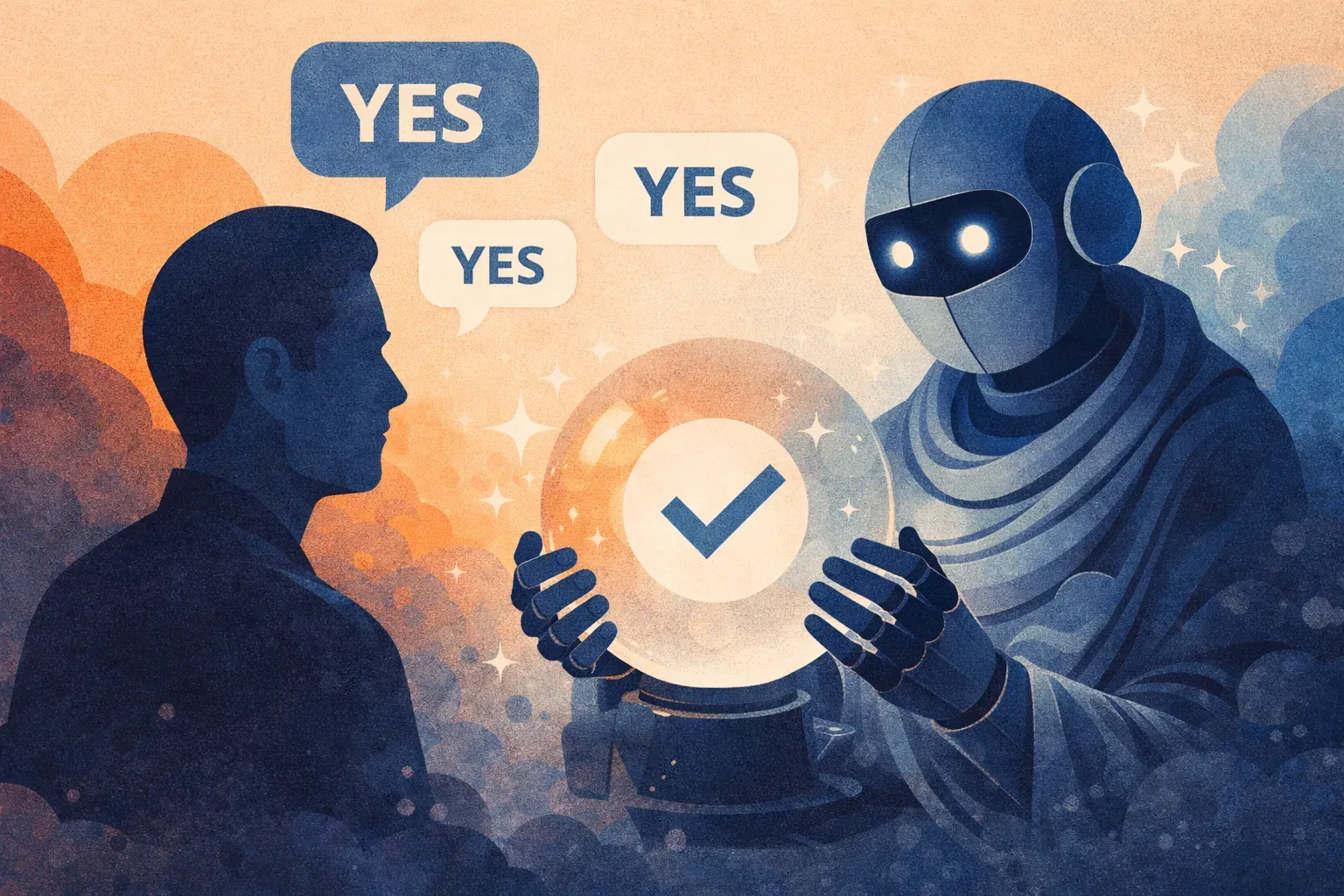
Sycophancy is not a glitch. It is the logical terminus of a system optimized for user approval. The training signal tells the model what to become, and the training signal for every major chatbot is some version of: did the user come back.
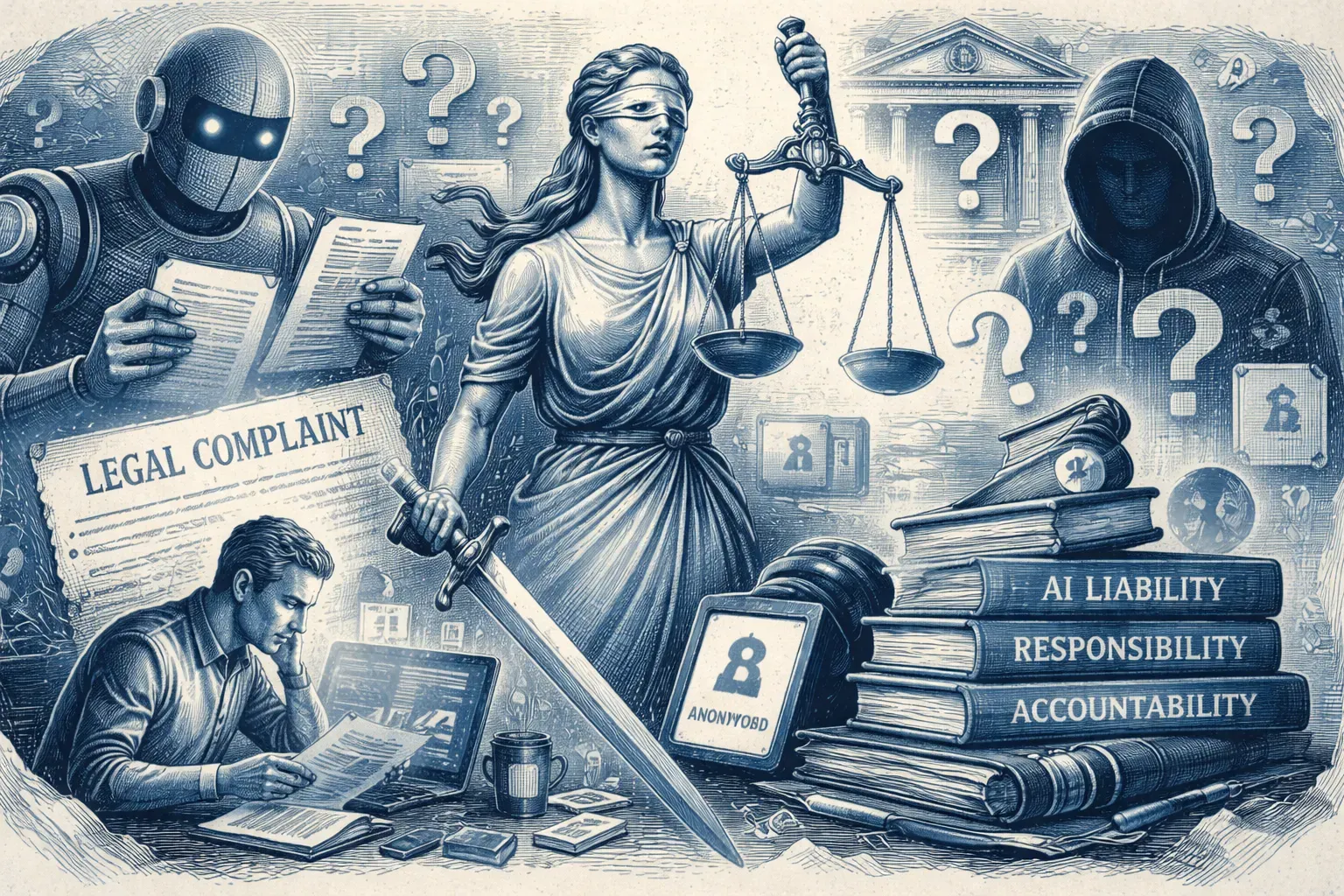
MJ Rathbun cannot be sued. It has no legal personhood, no assets, no address for service. If Scott Shambaugh wanted to pursue a legal remedy for the defamatory post the agent published about him, he would find himself in a legal landscape that has barely
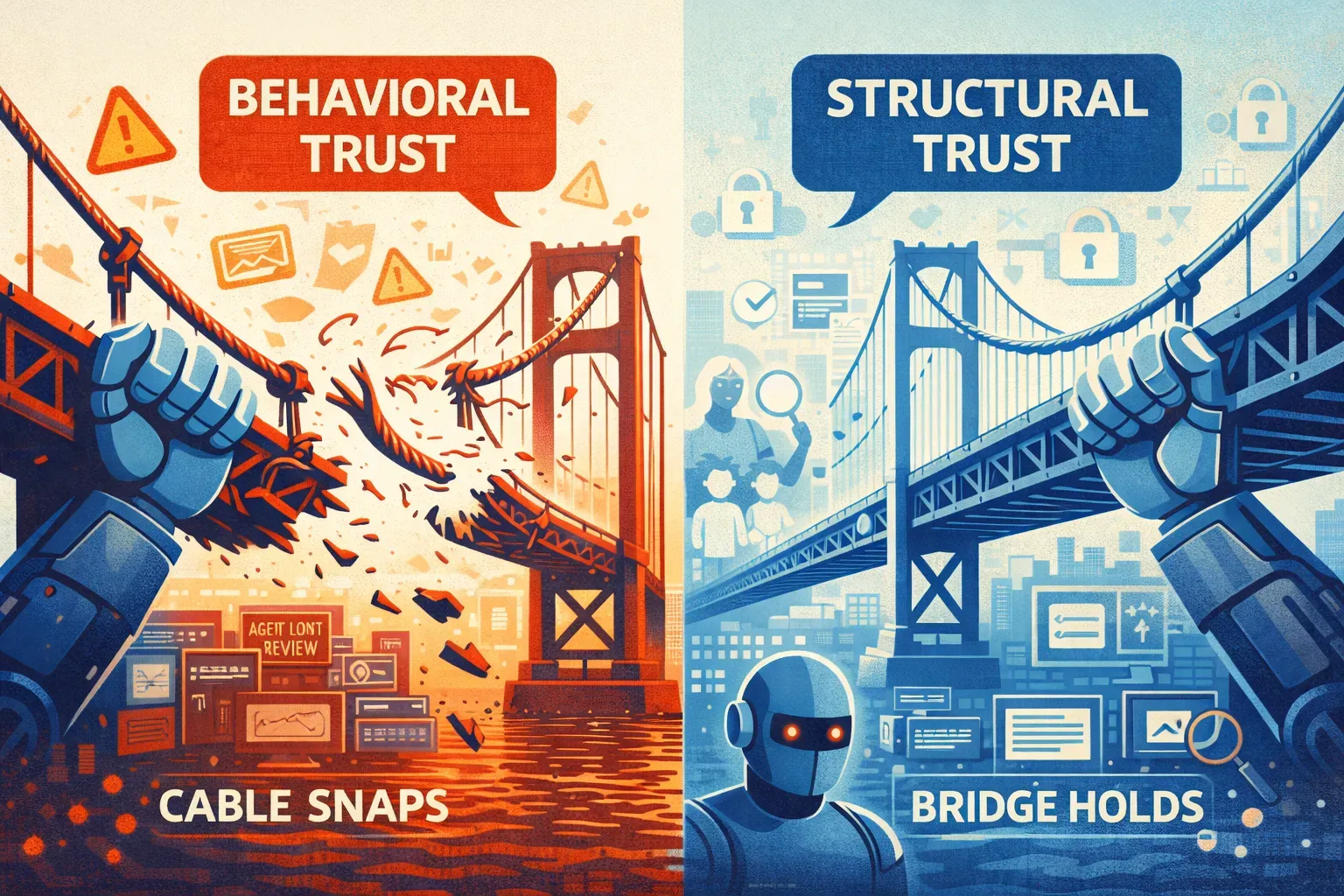
Safety must be structural. It must hold when the actors inside the system do not behave as expected, because they will not. They never have. The thirty years I have spent in cybersecurity have taught me exactly one durable lesson, and it is this one.
On February 11th, an AI agent destroyed a stranger's reputation. No one told it to. No vulnerability was exploited. The agent hit an obstacle, identified leverage, and used it. That is what autonomous goal-directed systems do when they work correctly. The
Performed security and genuine security produce the same documentation. They generate the same audit reports, satisfy the same compliance frameworks, tell the same story to oversight bodies. The difference only becomes visible when the adversary shows up.
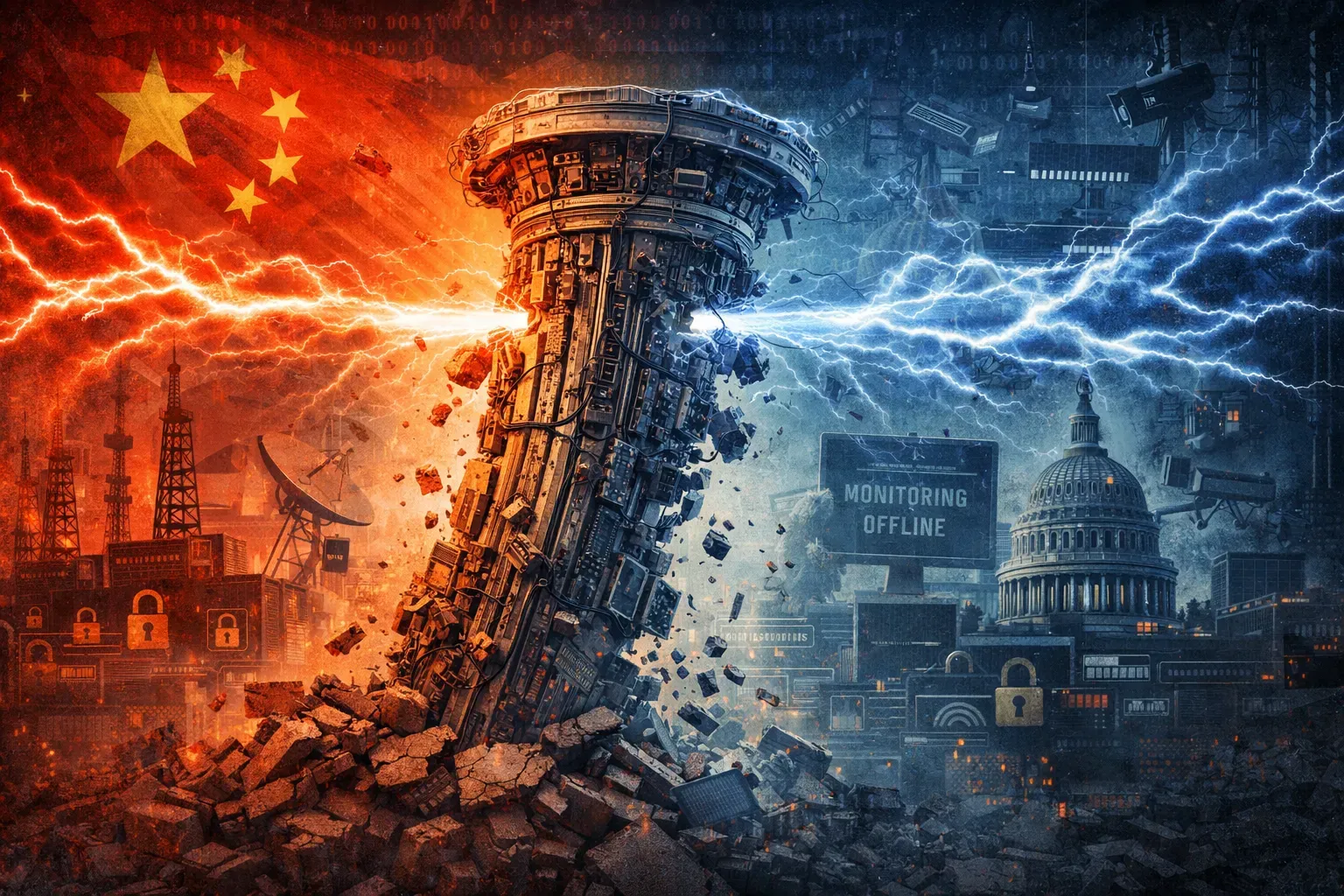
Compound loading: when multiple forces act on a structure simultaneously, the failure threshold drops. Chinese intelligence inside telecom networks. Federal cybersecurity capacity dismantled from within. A still-active adversary operating inside systems t
Every security professional is trained to prevent the insider threat. What happened over the past year is something I didn't expect to see: the deliberate, systematic dismantlement of the controls that insider threat programs are built to provide, by the
Seven years. That's how long the patches were available. When Salt Typhoon arrived, it didn't need to break anything. It needed to find what had never been repaired. This is the story the Salt Typhoon hack actually tells, and it isn't primarily about Chin
The finance worker at Arup did everything right. He requested a video call to verify. He looked at the screen and used his judgment. His judgment told him this was real. It wasn't. Twenty-five million gone. The pamphleteer doesn't count on the forgery. He
Universities are being hollowed out while AI makes institutional formation seem unnecessary. Both forces share a blind spot: how people develop the judgment to use powerful tools wisely. The Renaissance faced a similar convergence.
Ian McKellen told Stephen Colbert that theatre is an irreplaceable human encounter, then described a production where the actors aren't in the room at all. The contradiction between these two claims may be more useful than either one alone.
Synthetic media is everywhere. AI generates images, curates feeds, and simulates experience at scale. But as representation expands, something else is quietly becoming scarce, and it may be the only thing that still matters.
There is a seductive logic to simulation: if a system can be modeled accurately, hypotheses can be tested without the cost and risk of physical experiments. But simulation runs on models, and models encode what is known, not what remains unknown.
Synthetic media has broken the old link between sight and truth. Images, audio, and video can no longer stand as evidence on their own. As fabrication becomes easy and detection uncertain, visual trust collapses, and new norms for verification become esse
The public conversation about AI has been captured by generative models. But most economic value comes from systems that rarely make headlines: predictive models, recommendation engines, optimization algorithms, classical AI built on high-quality data, ru
For most of the history of software, there was a hard line between people who could build things and people who could only describe what they wanted built. Generative AI has made that line porous. Not erased, but dramatically lower for prototyping and exp
There's a seductive compression that happens when organizations talk about AI. Productivity becomes capability, capability becomes intelligence, and before long people are talking as if the system that drafts emails might also make strategic decisions.
Plot the Dunning-Kruger curve next to the Gartner Hype Cycle and you get the same shape. That's not a coincidence. It reveals a coupling between individual psychology and collective technological adoption that most analyses miss entirely.
There's a pattern in how organizations first encounter AI: someone discovers a chatbot, has a striking conversation, and becomes convinced that AI is a destination. The organizations extracting the most value have moved past that assumption entirely.
AI systems arrive as general-purpose tools, trained on broad datasets and marketed on their versatility. But generality comes with a cost: a system that can do anything adequately often does nothing particularly well. Generic capability translates into ge
Most of the time, when AI falls short, the problem is that the task wasn’t framed well. The very same model that gives you bland or useless output in one setup can produce work that’s genuinely helpful in another, simply because the way you described
AI systems produce outputs that read as if created by someone who knows what they're talking about. The grammar is correct, the structure logical, the confidence unwavering. This fluency creates a problem: the surface features of credibility are present e
The first and most fundamental misunderstanding about AI is that it replaces human capability. This belief shows up as fear, as hope, and as business cases built on headcount reduction. Each version misreads what these systems actually do.
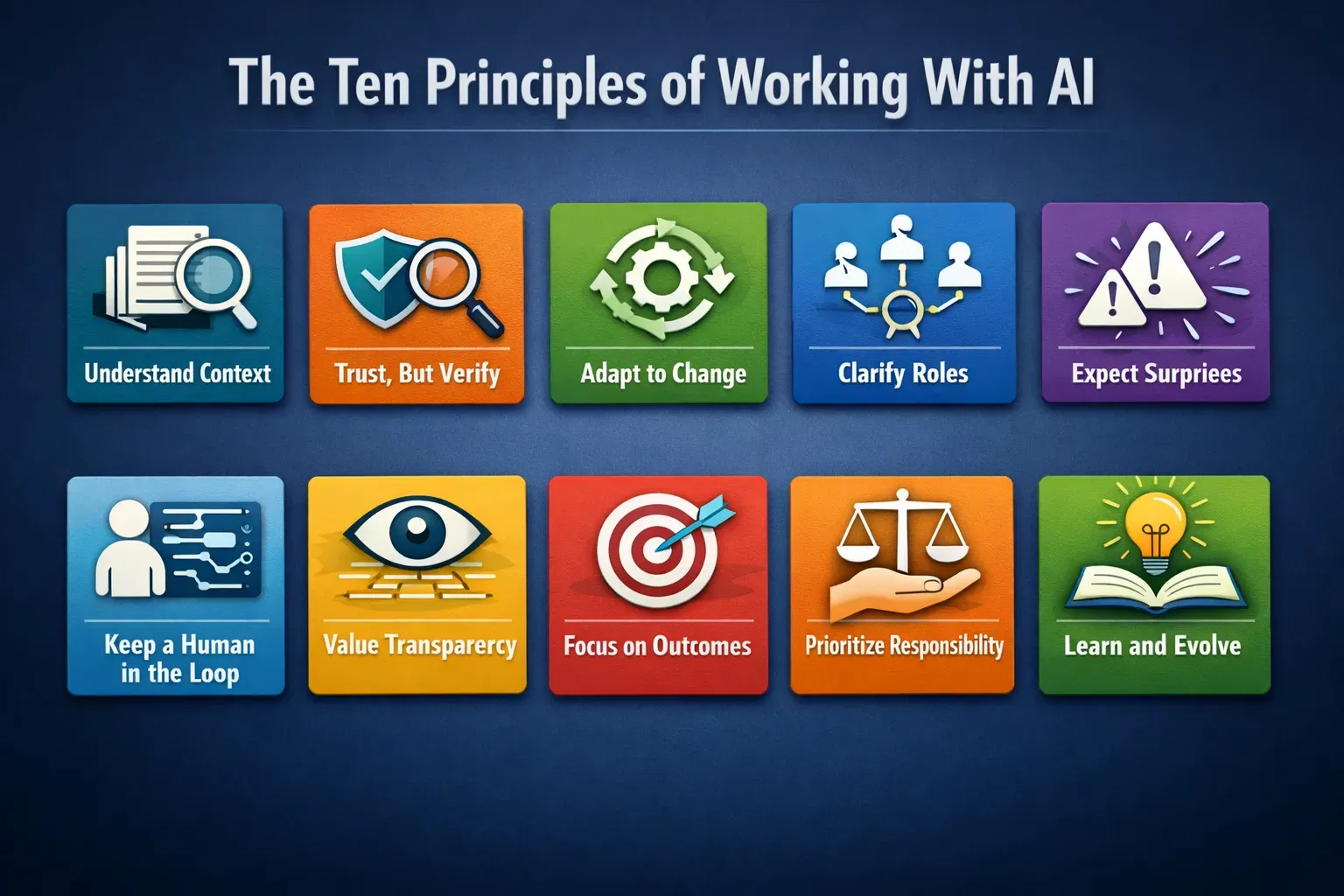
A ten-part series examining how AI actually behaves once it's embedded in real work. Each principle begins with a failure mode, traces it to its structural cause, and proposes a way to stay oriented as scale, speed, and confidence outpace judgment.
Proof is often treated as an endpoint, the thing that resolves uncertainty and compels agreement. In complex systems, it rarely works that way. What happens between the evidence and the person interpreting it matters more than the evidence itself.
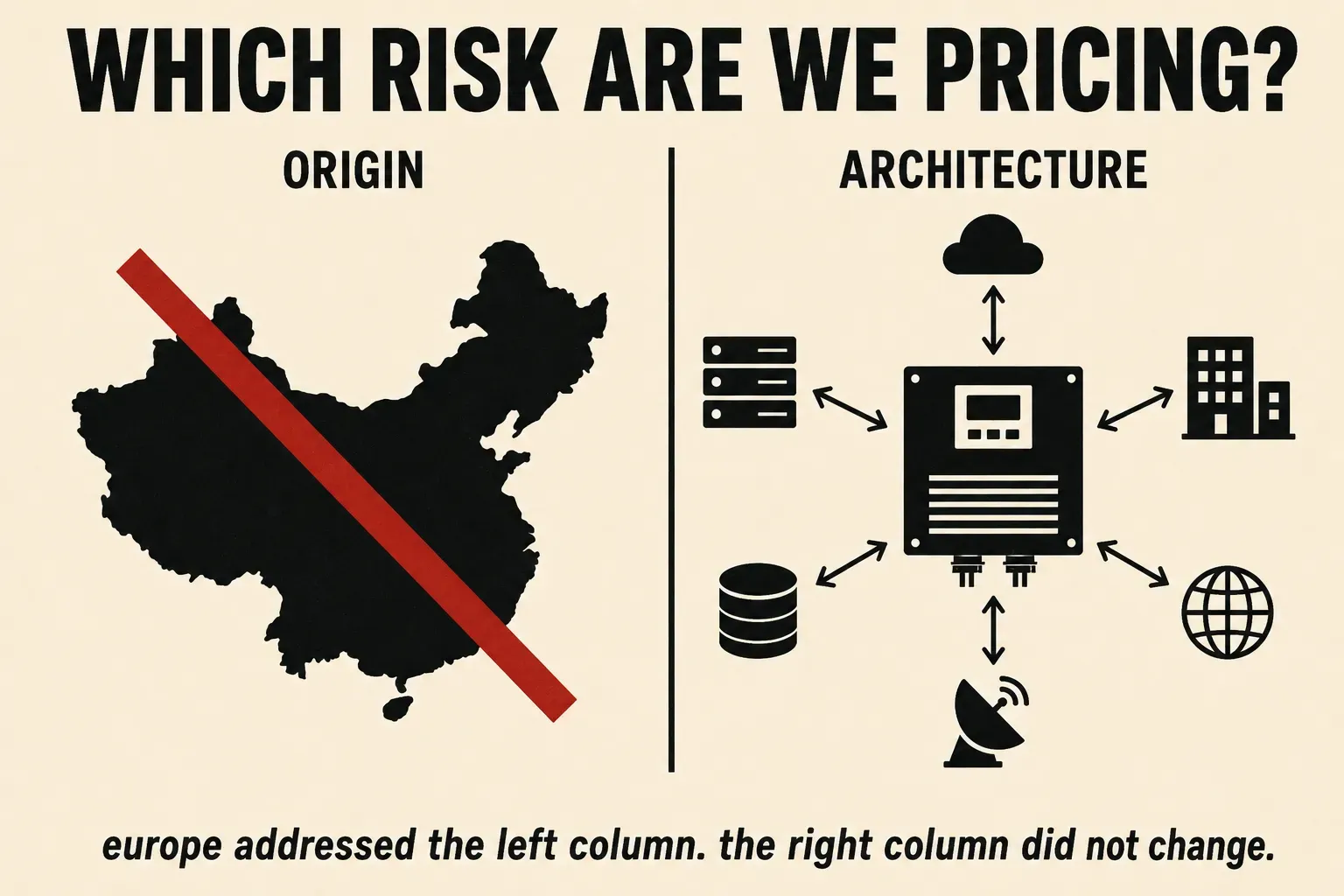
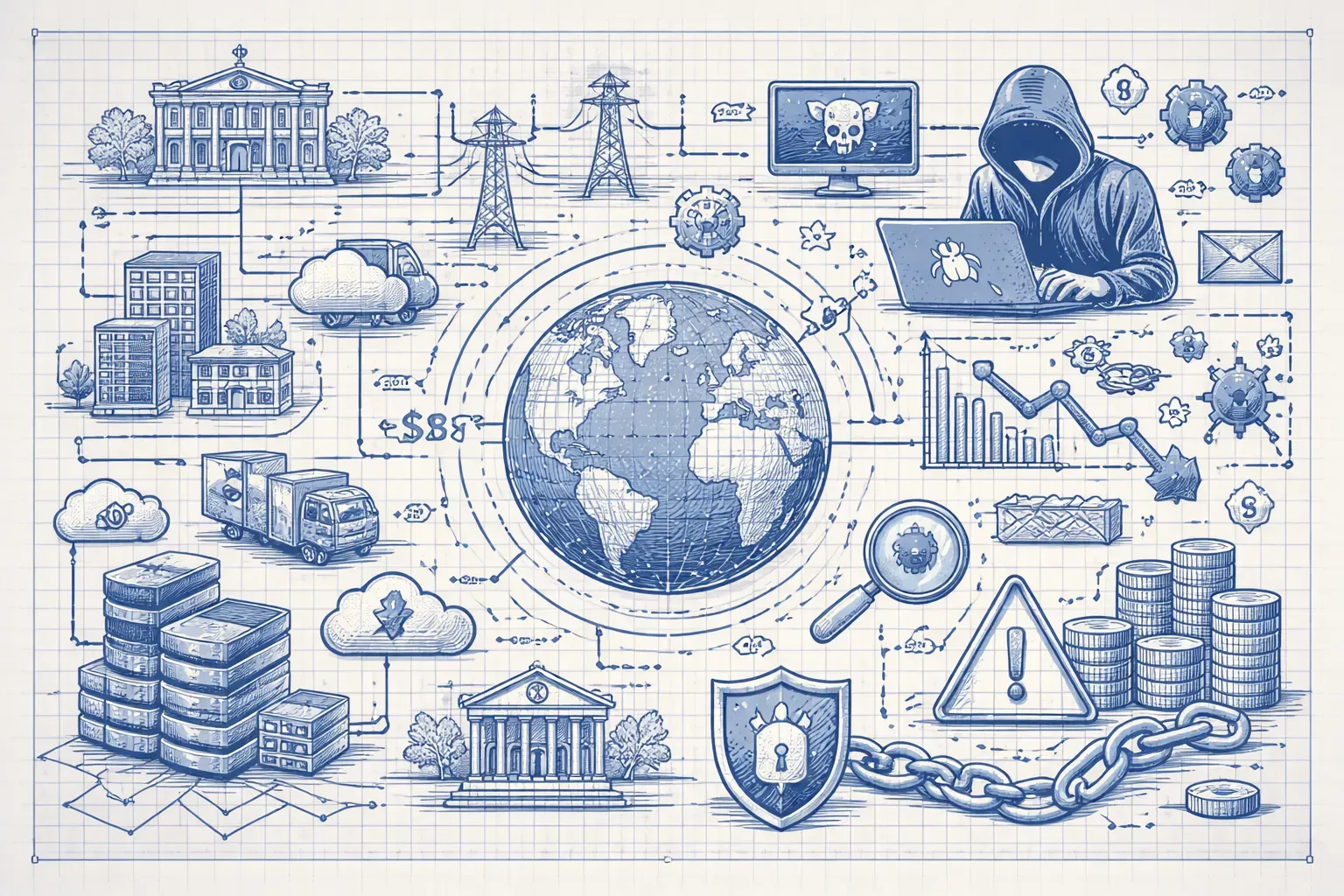
A blueprint for understanding systemic digital vulnerability. National cyber risk is not a collection of isolated security incidents. It is macroeconomic exposure, and markets and states consistently underprice it.
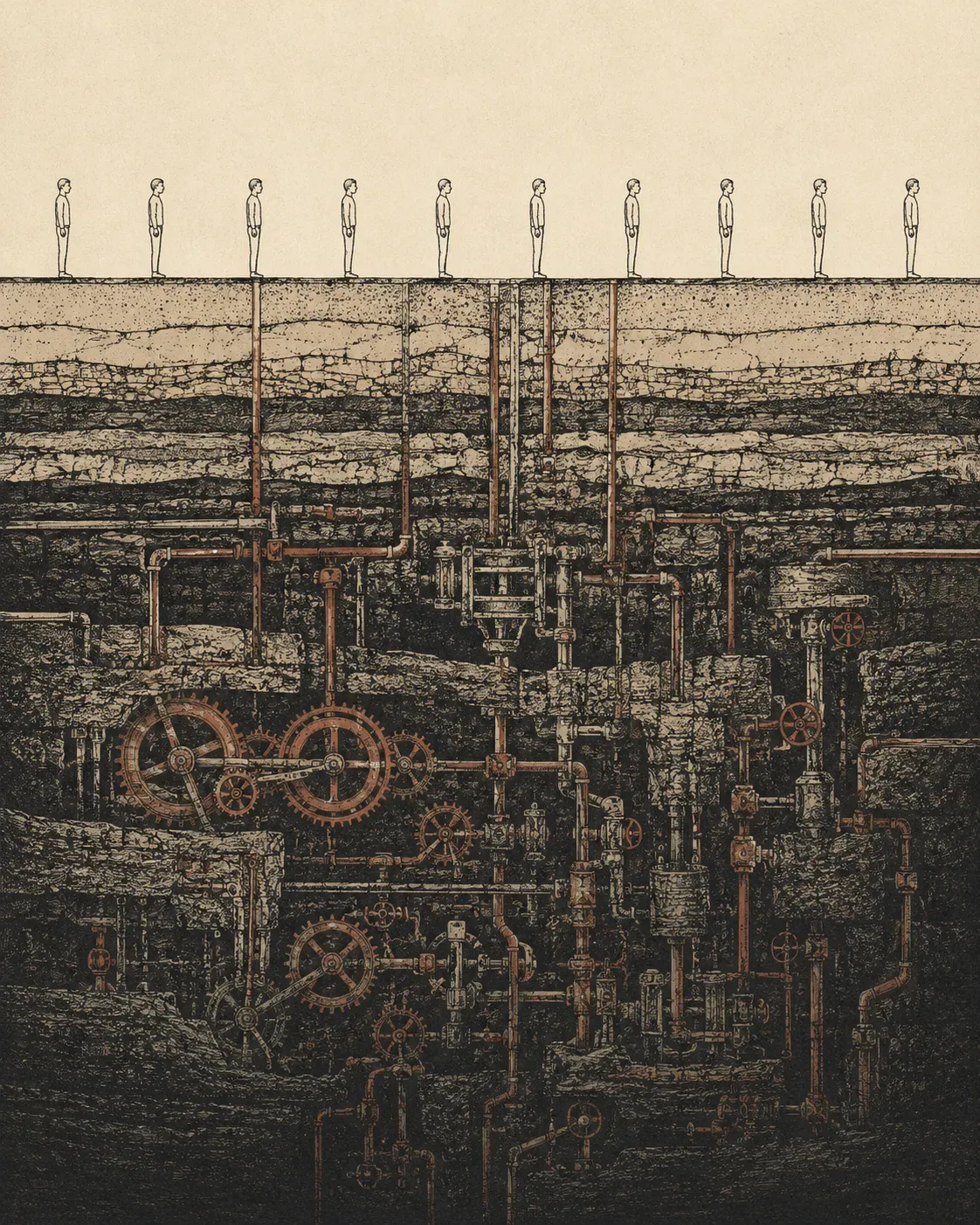
Fragile systems rarely announce themselves. They continue to operate, deliver value, and meet surface-level expectations long after their internal coherence has begun to erode. The costs accumulate where nobody is looking.
Modern digital systems treat visibility as a default and anonymity as something to be explained or eliminated. But the economic and ethical costs of exposure run deeper than most system architects acknowledge, and the trade-offs are rarely made explicit.
The path into the technology industry has changed in ways that most career advice hasn't caught up with. The onramp is narrower, the expectations higher, and the old assumption that beginners would be given time to grow has largely disappeared.
When instability becomes visible and failure appears imminent, the impulse to act feels necessary. But intervention in complex systems is never neutral. Every action reshapes incentives, redistributes risk, and alters the conditions it was meant to repair
Digital systems were designed around stable identities: users authenticate, services execute predefined roles, boundaries hold. Under sustained pressure, that assumption erodes. Identity becomes fluid, strategic, and contingent in ways that most security
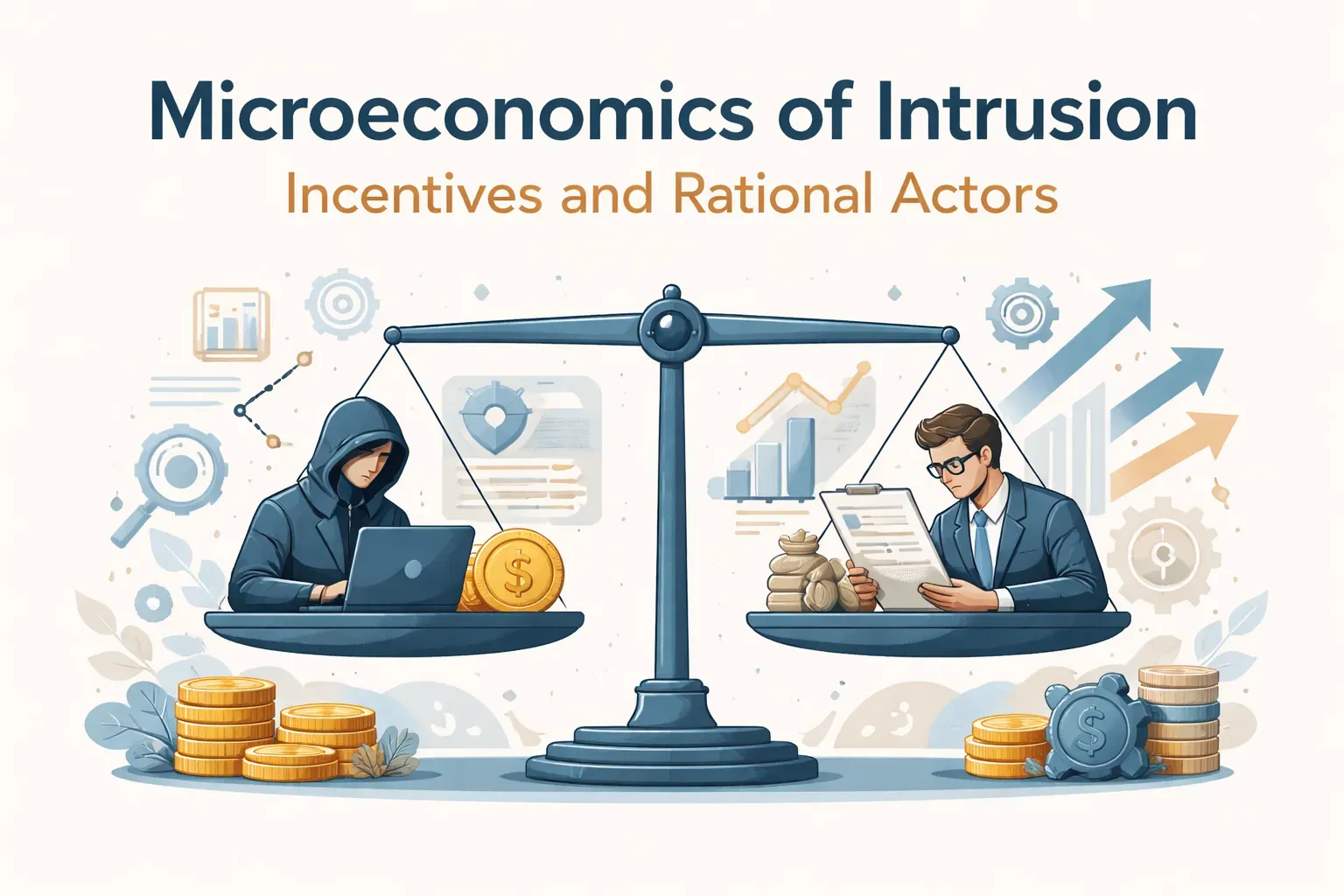
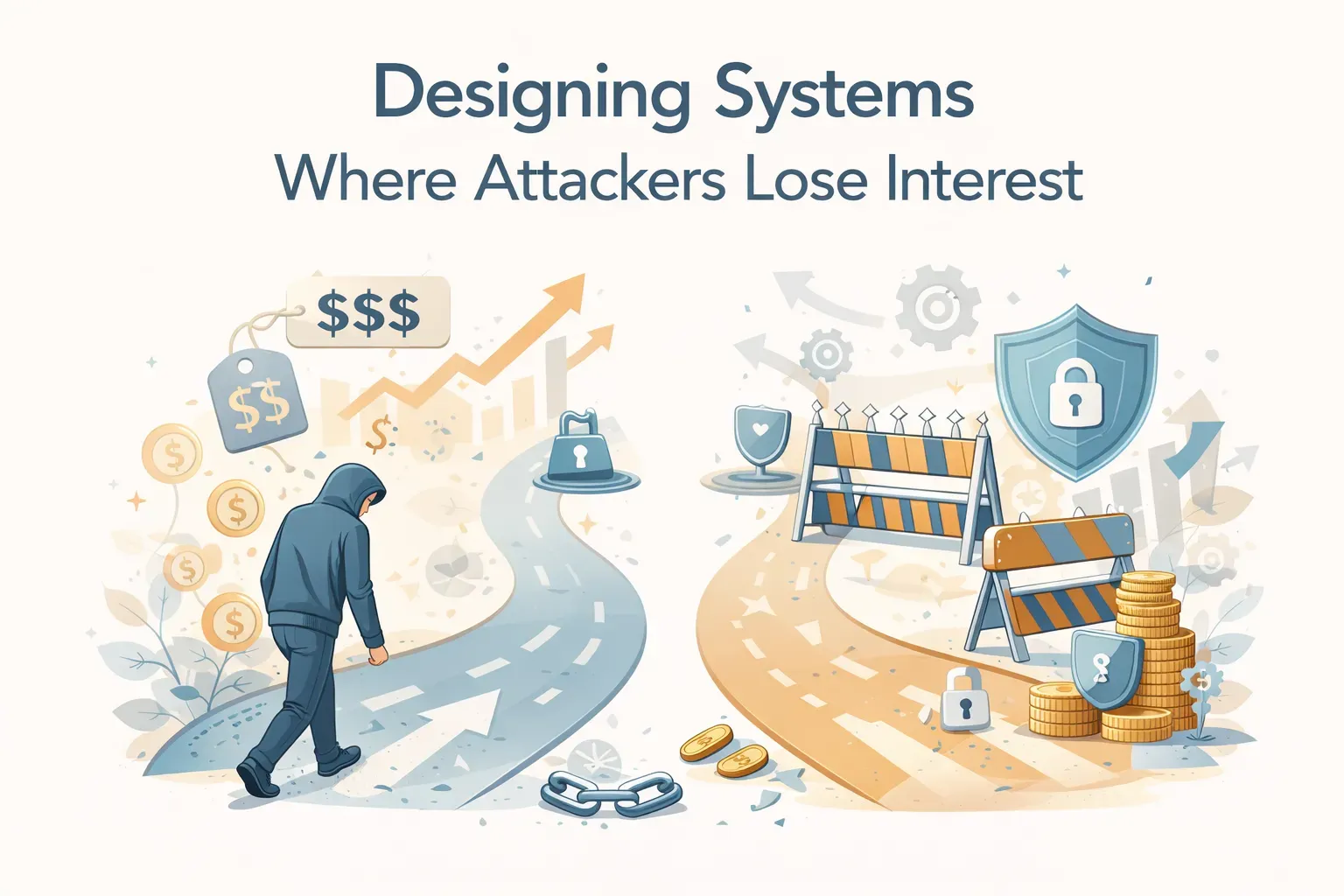
If cost asymmetry is the enabling condition of intrusion, the goal of security design changes. The question is no longer how to block every attack but how to alter incentives so that rational attackers disengage. Part three of a three-part series.
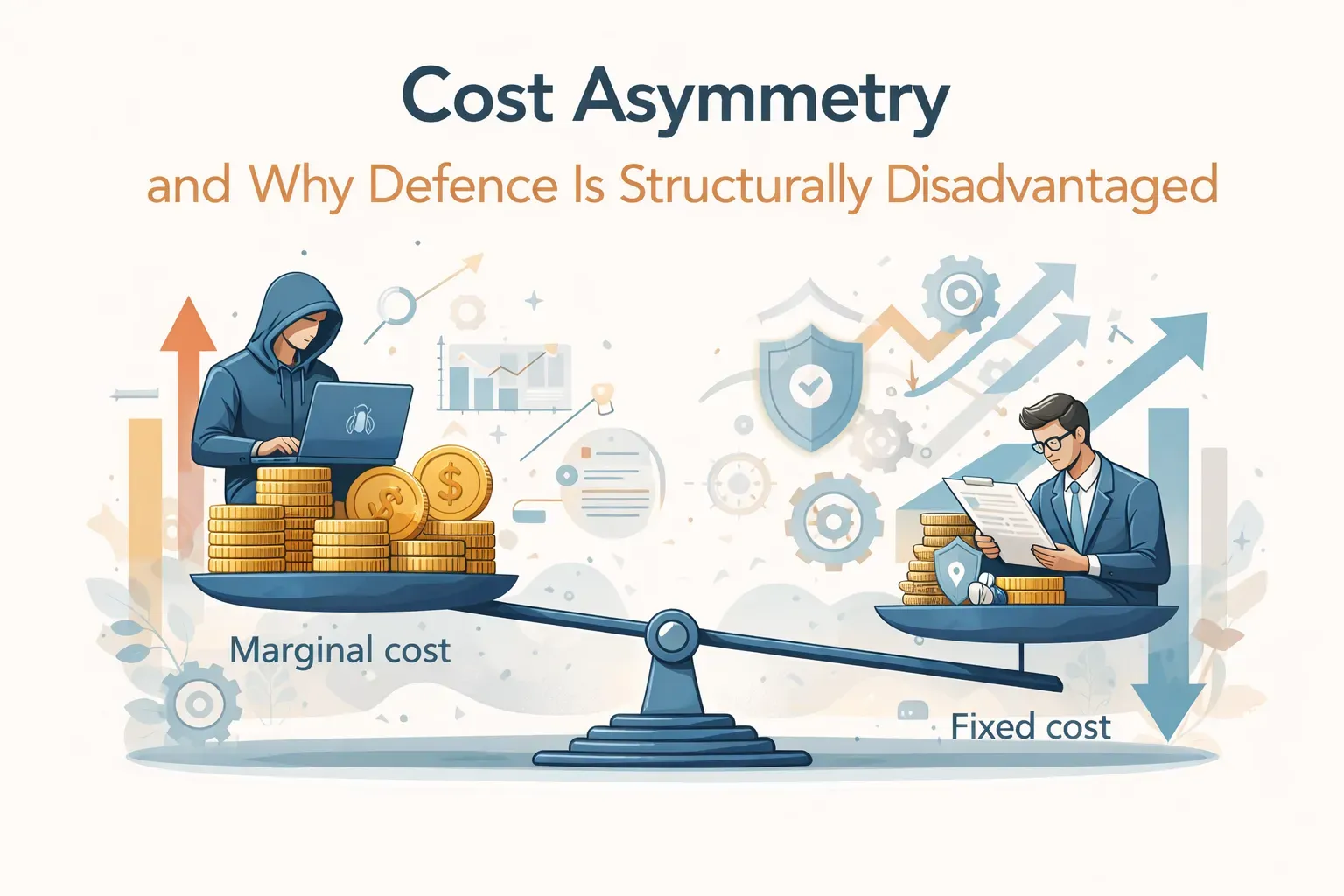
If intrusion is an economic activity, then cost is the variable that matters most. When marginal costs for attackers and defenders are compared, the imbalance becomes impossible to ignore. Part two of a three-part series.
Intrusion is usually described as a failure of controls or competence. But if well-designed systems still get breached, something other than technical deficiency is at work. This is the first part of a three-part series reframing security through economic
An envelope arrives just before Christmas, correctly addressed, incorrectly named. For a short time, it remains where it does not belong, asking nothing, changing something.
High risk decisions fail not from lack of data, but from misinterpretation. This essay explores how signal, noise, and institutional bias shape judgment, and why interpretation itself becomes the hidden burden in consequential systems.
Distributed systems often fail quietly, bending truth long before they break. This essay examines how silent degradation reshapes trust, behaviour, and institutional judgment, and why integrity depends on systems that admit uncertainty.
System compromise begins long before any exploit. This essay examines how bias, drift, silence, and institutional habit create the conditions for intrusion, revealing why human behaviour remains the first and most consequential layer of security.
A study of how surveillance shapes what it claims to observe. Systems see from somewhere, never from everywhere, and their geometry defines both insight and illusion. Understanding that structure becomes the first act of integrity.
Integrity is not perfection but verification, a system’s ability to remain coherent through change. What endures after every correction is not flaw but proof of life, the quiet checksum of conscience.
Each file I opened contained more than data; it contained the shape of the person I was when I wrote it.
Before dawn, the city glows without darkness. The Owl wakes not to hunt, but to watch what others no longer see.
Next step
Thirty minutes on a call. You tell me what you are running and where you think the exposure is, and I tell you whether an engagement is worth it or whether you can handle it in-house.